


Japan’s Zodiac Calendar: From the Year of the Snake to the Year of the Horse
In Japan, each calendar year is associated with one of the twelve zodiac animals, a system known as the eto (干支). The zodiac is most visible around the New Year period, when it appears in shrine items, greeting cards, decorations, and seasonal products. Rather than being linked to birthdays, the zodiac serves as a reference point that marks the transition from one year to the next.
This post looks at how Japan’s zodiac system works, where the zodiac appears during the New Year period, and what it represents as the calendar moves from the Year of the Snake to the Year of the Horse.
The Japanese Zodiac (干支, eto)
The Japanese zodiac (eto or jūnishi, 十二支) is a system based on a repeating cycle of twelve animals that assigns one animal to each year. This system was introduced from China around the 3rd to 4th century and was originally used not just for years but to mark hours of the day, directions, and even months.
Each zodiac year follows a fixed order that repeats every twelve years, and the animal of the year changes on January 1st in Japan (unlike the Chinese zodiac which follows the lunar New Year, set for February 17 this year). The sequence is: Rat, Ox, Tiger, Rabbit, Dragon, Snake, Horse, Sheep (Goat), Monkey, Rooster, Dog, Boar (Pig).
When one cycle ends, it simply begins again with the Rat. Because of this structure, people often refer to birth years by their zodiac animal, and certain years are thought to share similar characteristics.
Unlike Western horoscopes, which are tied to birth dates and months, the Japanese zodiac is linked to the calendar year as a whole. This means that zodiac identity is determined by the year someone is born in, not by their birthday within that year. As a result, the zodiac becomes most visible and relevant at the start of January, when the animal of the new year officially changes.
In Japan, zodiac animals are used primarily as a cultural calendar and are closely associated with the New Year instead of personal astrology. They appear on New Year’s cards (nengajō), decorations, shrine charms, and themed goods, and they often define the imagery and mood of a new year.

The Story Behind the Zodiac Animals
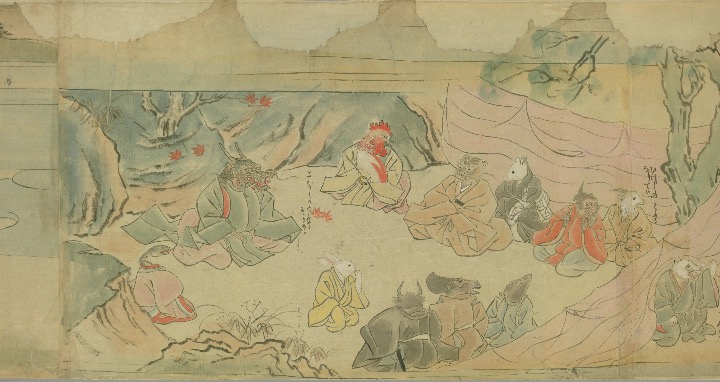
Alongside the zodiac calendar itself, Japan also shares a well-known folktale that explains why the animals appear in their specific order. This story is known as the Great Zodiac Race and helps make the eto system easier to remember; while variations exist, the core story is widely shared across East Asia.
According to the tale, a deity (often described as the Jade Emperor or a heavenly god, depending on the version) decided to create a calendar based on animals. To determine the order, the animals were invited to a race or gathering, with the promise that the first twelve to arrive would each be honored with a place in the zodiac calendar, in the order they finished. On the day of the race, animals from across the land set off, each relying on their own abilities and temperament to reach the goal.
The Rat, small but clever, and knowing it could not win on speed alone, secured first place by riding on the Ox’s back and jumping ahead at the finish, leaving the steady, hardworking Ox in second place. The strong Tiger arrived third after struggling against the river’s current, followed by the Rabbit, who crossed by hopping across stones and floating logs. The Dragon, despite being able to fly, placed fifth after stopping to help others along the way, influencing its image as powerful yet benevolent.
The Snake claimed sixth place by startling the Horse near the finish, causing the Horse to arrive seventh. The Sheep, Monkey, and Rooster crossed together by working as a team, earning eighth through tenth places. The Dog, though a strong swimmer, finished eleventh after stopping to play in the water, and the Boar arrived last after pausing to eat and rest.
As for the Cat, it was supposed to be invited to the Great Race organized by the gods but was tricked or misinformed by the Rat, who told the Cat the wrong date. As a result, it missed the race entirely and was left out of the zodiac cycle; this is often used to explain why cats and rats are said to be natural enemies.
This story is also used to assign personality traits to each animal that continue to influence how zodiac years are interpreted. The Rat’s cleverness, the Ox’s reliability, the Dragon’s generosity, or the Horse’s sensitivity are all qualities drawn from this narrative and later applied to people born under each sign.
Where You’ll See the Zodiac Across Japan
In the weeks around New Year and into early January, zodiac animals become highly visible across Japan, especially at shrines and temples. Many prepare special ema (絵馬), wooden prayer plaques illustrated with the zodiac animal of the year, which visitors purchase, write wishes on, and hang at the shrine. Even after the first few days of January, these zodiac-themed ema often remain available while the New Year crowds continue.
Omamori (お守り), protective charms sold at shrines and temples, frequently feature the year’s zodiac animal as well. These charms are associated with good fortune, protection, or success in the year ahead, and many people pick them up during early January visits. Some shrines also sell small ceramic eto figurines or zodiac-themed amulets meant to bring luck to the household throughout the year.
Japanese New Year greeting cards also almost always incorporate the zodiac animal of the year in their design. Nengajō (年賀状), traditional New Year cards sent to friends, family, and business contacts, typically include illustrations of the year’s zodiac animal. While physical cards are now less common than in the past, the same motifs continue through digital greetings, emails, and social media posts that circulate well into January.
Beyond shrines and personal greetings, zodiac animals appear widely in seasonal decorations and commercial spaces. Throughout late December and early January, shops, department stores, and convenience stores release limited-edition packaging decorated with the year’s animal, especially for sweets, snacks, and gift items; many of these products remain on shelves into mid-January.
Major brands also participate in this seasonal cycle; for example, Starbucks Japan, typically releases New Year tumblers, mugs, and gift cards featuring the zodiac animal, which often stay on sale after the New Year holiday period. Seasonal displays, advertisements, and promotional materials across cities continue to reflect zodiac themes as the year settles into its first weeks.

Saying Goodbye to 2025: The Year of the Snake (巳年, mi-doshi)
Looking back, 2025 marked the Year of the Snake, known in Japanese as mi-doshi. Within the Japanese zodiac cycle, the snake is traditionally associated with transformation and gradual progress, and these themes strongly shaped how the year was commonly interpreted.
In Japanese cultural symbolism, the snake carries several meanings; one of the most common is renewal and rebirth, drawn from the snake’s ability to shed its skin. This image is often used to represent personal growth, recovery after hardship, or the beginning of a new phase reached through patience. Throughout the year, the Snake was widely viewed as a sign encouraging people to let go and "shed" old habits and focus on self-improvement.
The snake is also linked to wisdom and strategic thinking; its careful movement and precise actions are often associated with foresight, planning, and measured decision-making. As a result, 2025 was commonly regarded as a year suited to long-term planning, steady effort, and thoughtful choices rather than quick or impulsive action.
Another strong association of the Snake year is financial luck, as snakes are closely connected to Benzaiten, one of the Seven Lucky Gods, who is linked to wealth, knowledge, music, and the arts.
White snakes in particular are considered auspicious and are sometimes believed to bring prosperity, as they are thought to serve as messengers of Benzaiten. Because of this connection, snake imagery frequently appeared in charms, shrine offerings, and New Year items related to money, business, and financial success during the year.
As the Snake year concluded, snake-themed decorations, charms, and omamori were gradually set aside to make way for the Horse. Many people returned items acquired during the year to shrines for ceremonial burning, a customary way to respectfully part with protective charms before welcoming those associated with the new zodiac sign.

Welcoming 2026: The Year of the Horse (午年, uma-doshi)
2026 is the Year of the Horse (午年, uma-doshi), the next sign in Japan’s twelve-animal zodiac cycle. If the snake was about slow, careful growth, the horse is all about high energy and progress. In traditional interpretations, horse years are associated with heightened energy, momentum, and forward movement, often seen as periods that favor action and initiative.
In the Japanese zodiac, the horse has long been linked to movement and vitality. Historically, horses played a central role in transportation, agriculture, and warfare, which influenced their image as dependable yet powerful animals that carry people, communities, and goods across long distances and toward new destinations.
Culturally, the horse is associated with energy, independence, and action. Horse years are often described as periods that encourage decisiveness and progress, favoring those who are willing to move ahead rather than wait. In folk belief, uma-doshi is seen as an excellent time to break out of last year’s constraints and try something new, change direction, or commit to long-delayed plans, as long as those actions are taken with intention rather than haste.
The horse is also connected to ideas of freedom and self-reliance. Unlike animals closely tied to domestic spaces, it represents open paths, travel, and personal initiative. Because of this, many people view the Year of the Horse as a time to regain speed after periods of consolidation or reflection.

Zodiac Animals in Daily Life Beyond New Year
Although the zodiac is most visible around the New Year, its role in Japan extends well beyond January celebrations. Zodiac animals are commonly used as a shorthand for birth years; instead of stating an age, people may refer to themselves by their zodiac sign, especially in casual conversation or when discussing generational traits.
Similar to how Westerners might check astrological compatibility (e.g., “Aries with Leo”), in Japan there is a folk notion of compatibility between zodiac animals. Certain eto combinations are said to get along well or poorly; it is on the same level as discussing blood-type personality theory. In magazines and TV shows, especially around the New Year, it is common to find fortune-telling articles ranking the twelve zodiac signs for the upcoming year’s luck.
The eto animals have also inserted themselves thoroughly into Japanese pop culture and entertainment. Children grow up hearing the folk tale of the Zodiac Race; this story is retold in picture books, animated specials, and even school plays.
Modern media also often make use of the zodiac; one internationally famous example is the manga and anime Fruits Basket, which centers on characters cursed to transform into the zodiac animals. Every year, new merchandise and characters representing that year’s animal can also be seen, such as Sanrio releasing special-edition Hello Kitty goods dressed as the year’s animal. This usage keeps the eto relevant and engaging for younger audiences.

The Year of the Horse Begins

With the arrival of 2026, the zodiac cycle moves from the Year of the Snake to the Year of the Horse, following the same twelve-year system that structures Japan’s zodiac calendar. This change is reflected in New Year items, shrine offerings, seasonal designs, and references used during the opening weeks of the year.
While the zodiac does not guide personal beliefs for everyone, it remains a practical and widely recognized way to mark the start of a new calendar year. In that sense, 2026, the Year of the Horse, is the year for initiative and action, making it a fitting moment to begin new projects and plans as the year gets underway.
🐎 Start 2026 in Motion
With the energy of the Year of the Horse in mind, few things reflect initiative and forward movement better than starting an internship in Japan. Leave the Snake year behind and step into the new year with momentum by reaching out to us or joining our program to begin 2026 at full speed!


