


Christmas and Year-End Culture in Japanese Workplaces
December in Japan looks festive from the outside, with cities glowing with illuminations, shops playing seasonal music, and Christmas cakes filling bakery shelves. Inside the workplace, however, the rhythm of the month follows a different pattern. Christmas is a regular business day, and the real holiday energy builds as the country approaches the New Year period. For many teams, this stretch is one of the busiest times of the year, with projects closing, budgets wrapping up, and work tidied before offices shut down for the nenmatsu-nenshi break.
This mix of seasonal cheer and professional urgency shapes how companies manage December; traditional firms keep Christmas understated, while international workplaces may add touches of Western holiday culture. Social traditions such as bōnenkai and oseibo also influence the season and how companies wrap up the year. Understanding these customs helps foreign interns and professionals know what to expect during Japan’s unique year-end cycle.
How Companies in Japan Approach Christmas
In Japan, December 25th is not a public holiday, it’s typically just another workday; offices and stores operate as usual on Christmas Day. While the streets are aglow with illuminations and shops play carols, within traditional companies there’s often no official time off or grand office party for Christmas. Many Japanese employees work through Christmas and then spend the evening with a partner or friends, since Christmas in Japan is more of a fun outing day than a family holiday.
Also, for many teams the days leading up to Christmas are actually some of the busiest of the year because year-end deadlines approach quickly, and staff rush to finish projects before the New Year holidays begin.
That said, some workplaces do acknowledge the season in small ways. It’s not uncommon to see a tiny Christmas tree at the reception or some tinsel at a desk, focusing more on the kadomatsu (pine and bamboo New Year’s arrangement). Gift-giving among co-workers on Christmas isn’t a widespread custom in Japanese firms. Instead of holiday presents or corporate Christmas baskets, businesses observe the year-end gift tradition of oseibo (お歳暮).
Oseibo are formal gifts given in early December as thanks for the year’s help, often from companies to their clients or between departments. These gifts (e.g. fancy fruits, sweets, or gourmet sets) are more about maintaining good business relations than surprise presents. So, unlike a casual Secret Santa exchange, oseibo is a structured show of gratitude in the corporate world, and it also reflects the broader Japanese business culture where relationship maintenance, reciprocity, and formality matter.
For companies that work globally, the Christmas period can feel peculiar. Many overseas partners and subsidiaries go on holiday around late December, whereas Japanese offices remain open; this results in work slowing down during the week of Christmas. Some Japan-based subsidiaries of foreign firms even give their staff a day or two off for Christmas (or let people use paid leave), especially if the overseas HQ is closed. These companies might not officially recognize the full Japanese New Year’s week as company holidays; for example, January 2nd and 3rd might be regular workdays, but practically, if their clients and partners in Japan are on break, foreign companies often let employees take those days off too.
However, in most domestic Japanese companies, December 24th–25th are regular workdays and any celebrating is done after hours; the big break and celebrations in Japan come a week later, as companies gear up for the New Year period.

Workload, Deadlines, and the Push Before New Year
Historically, December in Japan was known as “Shiwasu” (師走), and the most common interpretation is “the month when teachers or priests run,” suggesting that even usually composed and respected figures were so busy in December that they had to rush between obligations. The expression reflects how hectic the final month of the year has long been in Japan, and that association has carried into modern times. Today, Shiwasu is still used to convey the sense of urgency that defines the year-end period in both personal life and the workplace.
December in Japanese workplaces is not a slow or festive month; it is a period marked by an intense push to complete everything before the New Year break. Companies across Japan typically aim to enter January with a completely “clean slate,” a practice rooted in long-standing ideas of formality, order, and starting the year on the right foot.
The end of the calendar year aligns with the fiscal and administrative cycles of many organizations, so staff spend the month closing reports, finalizing client communications, reviewing budgets, and preparing internal materials for January. This cultural expectation to finish the year properly, rather than carrying unresolved tasks into January, creates a strong sense of urgency across industries; the idea of leaving work unfinished over the transition between years is traditionally viewed as unprofessional and inauspicious, so teams try to wrap up even small tasks.
This period also intersects with another cultural factor: New Year is Japan’s most important holiday and the time when offices truly shut down. Since workplaces close for several days in early January, employees aim to reduce their workload beforehand to avoid returning to an overwhelming backlog. This creates a noticeable push in the weeks leading up to the New Year break, with more client meetings, internal deadlines, and project handovers than usual. Staff often balance regular duties with year-end responsibilities, and companies place strong emphasis on having everything settled before offices close.

Other Social Traditions Around the Holiday Season
While Christmas itself is subdued at work, the end of the year in Japan brings its own set of workplace traditions. In late December, offices shift focus to wrapping up the year and preparing for New Year’s; this is the real holiday season in Japan.
Bōnenkai (忘年会) – Year-End Party
Most companies and departments hold a bōnenkai, literally a “forget-the-year party,” in December. This is an after-work gathering (often at an izakaya or restaurant) where colleagues eat, drink, celebrate the end of the year together, and reset before January. Typical bōnenkai involve speeches from the boss, toasts, and even karaoke or games. Traditionally, attendance was expected but now, times are changing, with workers preferring to prioritize personal time. Even so, many offices will still host a bōnenkai as a chance to toast colleagues and symbolically “forget” the year’s hardships together.
Oseibo (お歳暮) – Year-End Gift Giving
As mentioned, December is oseibo season. Companies often send beautifully wrapped gift sets to key clients, partners, or sometimes to departments they work closely with, as a token of gratitude. Common items include premium snacks, regional specialties, or good alcohol, as well as year-end tokens like calendars or planners. Within some offices, team members might also exchange small gifts with their mentors or bosses as thanks, although this is also a tradition that has been fading in recent years.
Year-End Closure and “Last Day” Customs
Unlike Western companies that often only take Christmas-New Year’s Day off, Japanese companies typically shut down for several days over New Year’s. It’s common for offices to close from around December 29th until January 3rd. This nenmatsu-nenshi (年末年始; year-end and New Year) break gives everyone time to return to hometowns, be with family, or just rest as the old year ends and new begins.
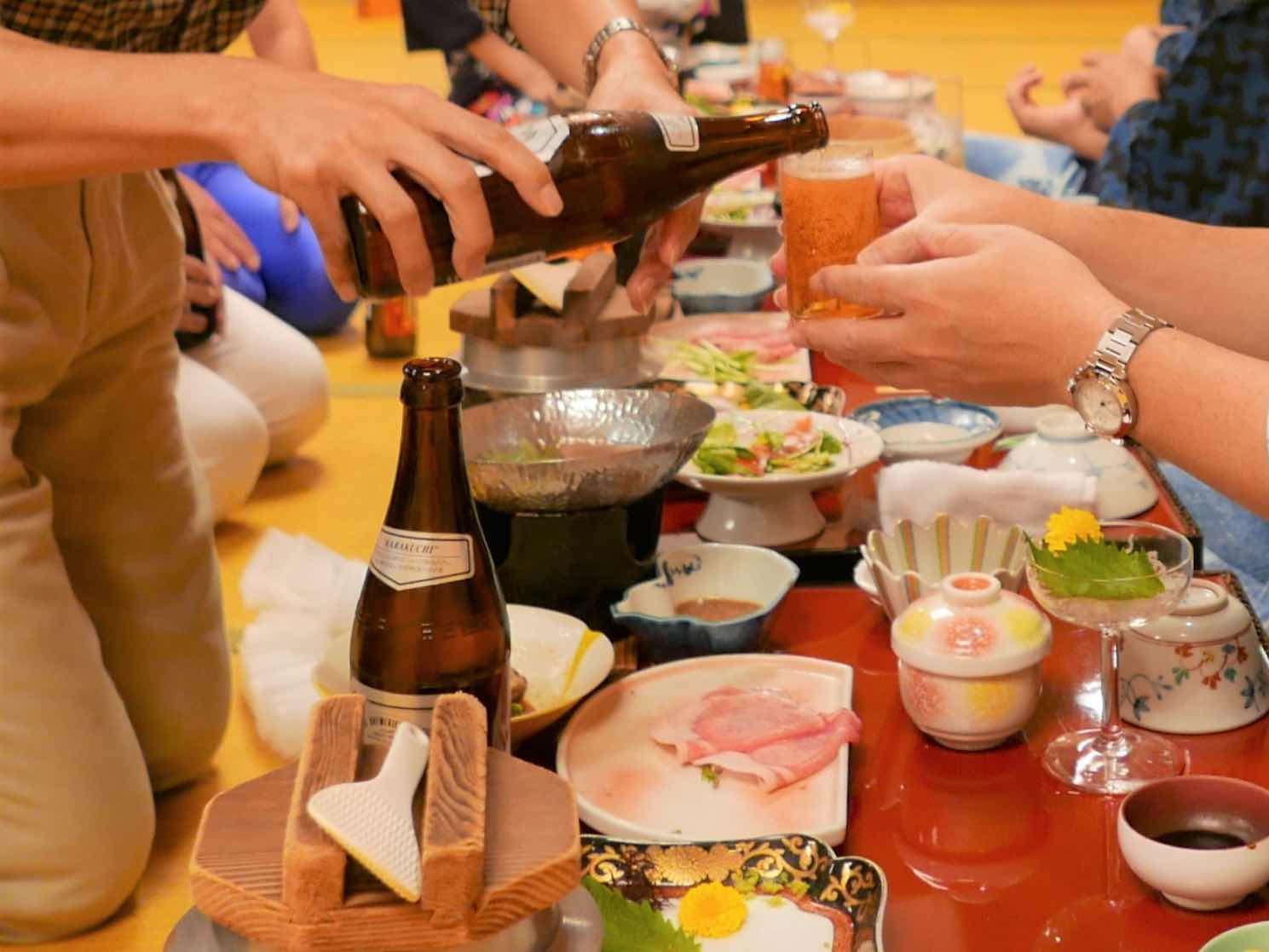
In the lead-up, there’s the concept of 仕事納め (shigoto-osame), the “last work day of the year.” On that final day, many offices have a brief informal ceremony. In a typical Japanese firm, employees will wrap up work early that day and gather in the late afternoon for a small on-site celebration. It might involve bringing some snacks and beer into a conference room and having a casual toast with the team.
How International Companies in Japan Adapt Holiday Traditions
Globalization has brought some interesting twists to year-end practices in Japan, like international companies and Japanese firms with overseas clients often adapting their holiday approach to bridge cultures.
One common adaptation is adjusting schedules around Christmas: many Japan-based offices that work closely with Western partners experience a slowdown in late December, because their counterparts abroad are on holiday. For example, no major meetings are usually scheduled between mid-December and early January, knowing that clients in Western countries might be unreachable during late December, while Japanese offices will be closed in the first week of January. Some foreign-affiliated businesses in Japan even close on Christmas Day as an added company holiday, despite it not being nationally required.
Even if a company works mainly with Japanese clients, workplaces that have a more international team sometimes approach December a little differently. When staff are habituated to treating Christmas as a holiday in their home countries, it is not unusual for some employers to give December 25 off. In some offices, employees also use this timing to take some of their vacation days and extend the break until work resumes in the new year.
Although this remains far from standard practice in Japan, it appears more often in environments with strong international influence, where managers are familiar with Western holiday customs.
Culturally, international workplaces might also hold their own Christmas celebrations. It’s not unusual for such offices to host a small Christmas party or potluck lunch for employees, adding a Western-style holiday festivity on top of the traditional bōnenkai. This could mean a Secret Santa gift exchange or wearing ugly Christmas sweaters to the office; customs that, while not standard in Japanese companies, are embraced in global companies to make foreign staff feel more at home, and local staff enjoy and experience something different. That said, this gap might be closing as many younger Japanese companies now embrace Christmas as a chance for fun regardless of company origin; it’s not seen as a religious observance, but as a seasonal cultural event.

The Season of Wrapping Up

The holiday season inside Japanese workplaces sits in a middle ground between routine and celebration; December stays busy and deadline-driven, with staff preparing for the nenmatsu-nenshi break. Small seasonal details appear here and there, but the real sense of “the year turning” comes through customs like bōnenkai and the last day at the office before New Year.
At the same time, work culture is not completely fixed in place, with more international companies, globally connected teams, and younger employees slowly introducing new ways of marking the season. Understanding this mix of formality, workload, and selective festivity makes it easier to understand different traditions, participate, and appreciate how Japan’s work life moves through December in its own way.
🏁 Discover Japan from the Inside Out
If you want to understand Japanese work culture not just through articles but through real experience, an internship in Japan is a great way to see these holiday-season traditions up close! You’ll gain international experience and learn how foreign traditions adapt within Japan, as well as how Japan approaches this season in its own way.
If this sounds like the right next step for you, join the program or get in touch with us to start planning your internship journey in Japan!


